Space, Frame and Motion

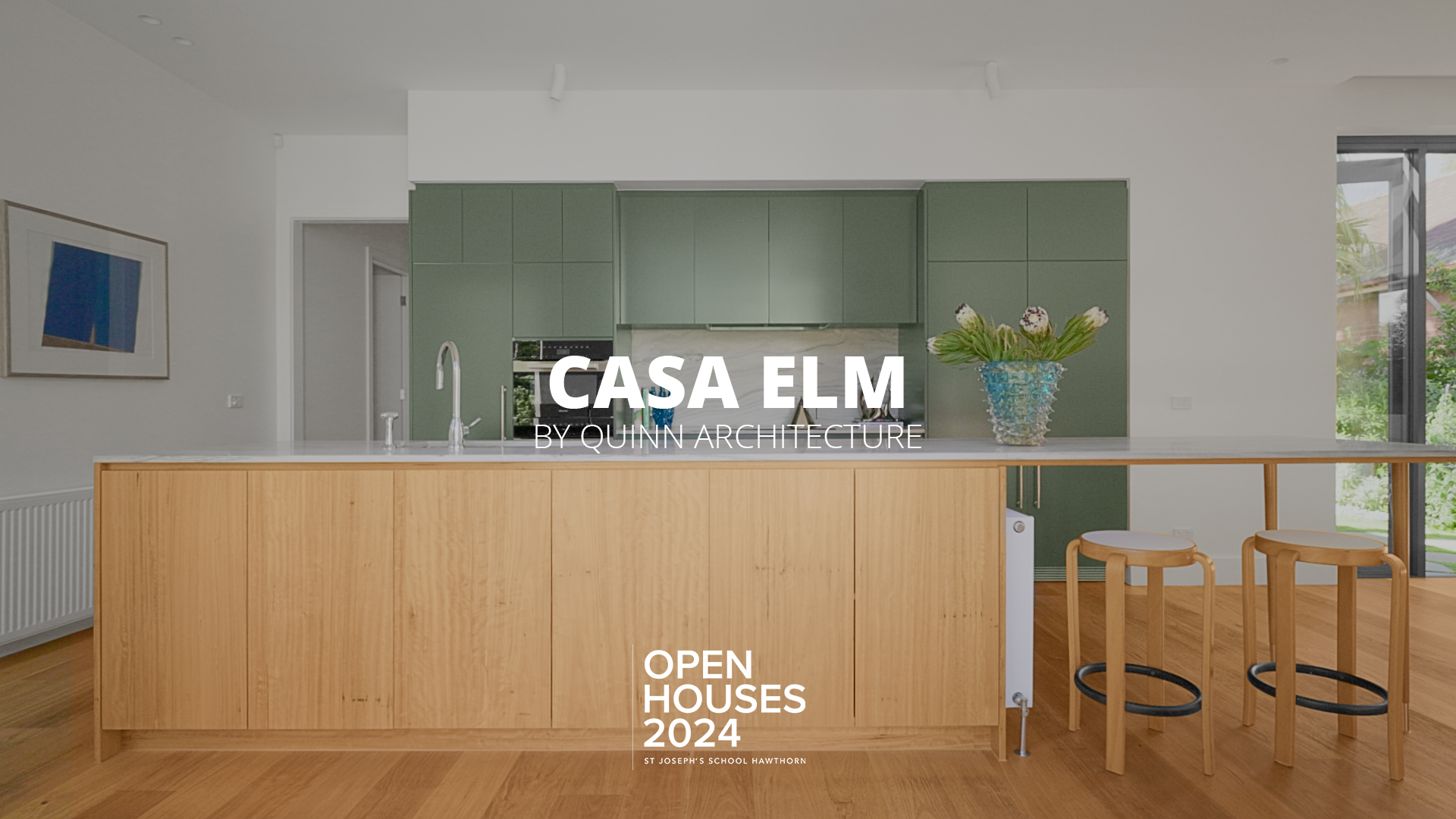
I believe it was around this time two years ago when, at the office, one of my bosses asked me for a special favour. His children’s school, St Joseph’s School, was running a fundraiser that year and they were hoping someone could make a video for their event called Open Houses.
Back then I had been shooting real estate for a while and had explored and learned different techniques to do my job and achieve great results. So the idea of making a video did not sound strange to me at all.
I agreed.
Then I asked what the intention for the video was. What was the brief? Was it about the featured properties? How long should it be? Did they have a rough idea of the kind of content they wanted?
The answer was simpler than I expected. They wanted something focused on the days of the event, the people, and the atmosphere. That was the brief.
In my mind, though, I was already imagining something slightly different. Beautiful houses, the spaces themselves, and perhaps a small glimpse into the story of the homes and the people who lived in them.
We were not exactly on the same page, but we were not too far apart either. After a few conversations with the organisers we found a middle point. Since I was volunteering my time, we agreed that one day I could focus on capturing the houses the way I imagined them, and another day I would document the event itself.
So we did.
Both experiences were new to me. It was the first time I was doing something outside the usual rhythm of real estate work, and the first time I had ever covered an event. I had to improvise and work my way through those two objectives, theirs and mine.
What struck me most was the difference between photography and video. With photography I am always thinking about the frame. The composition, the balance of the elements in front of me, the exact moment that will represent the space in a single image.
Filming felt different. Instead of capturing a moment, it felt like experiencing the space. The interaction between light, movement, colours, and sometimes even sound made everything feel more alive. Some rooms opened directly to gardens, and you could hear the outside world quietly entering the space.
That also meant more variables to consider. The movement of the camera, the movement of light, how one shot connects to the next. Architecture already requires patience and attention, but with video those considerations feel amplified. Not better or worse, simply more precise.
At the time my tools were simple. A tripod and a small slider were all I had. No gimbal, no external monitor, none of the specialised tools that are common in filmmaking. While filming I started to notice how different the equipment ecosystem was. Different tripod heads, flags, monitors, all tools designed for a slightly different craft.
Still, I worked with what I had.
What made it harder was time. I had around two hours in each house, one in the Dorrington Estate in Victoria and another in Hawthorn. The owners were still preparing for the open house the next day, moving things, cleaning, organising. It felt a bit hectic and unstructured. At moments I was not even sure if I was exposing the footage correctly. Photography is a process I understand well, but video was still unfamiliar territory.
But when I finished, I remember feeling excited. I did not yet know exactly what I had captured on the memory cards, but I had the feeling that I would figure it out later.
What I did not realise at the time was that this small project would quietly open a new creative path.
Filmmaking. Storytelling. More dynamic images. More time spent observing, walking through a space, understanding its materials, its light, and its intention before pressing record.
It made me realise that documenting architecture could go beyond a single frame. Movement, sound, and time could reveal aspects of a place that photography alone sometimes cannot capture.
That experience stayed with me.
Since then, I have continued exploring that direction, slowly learning how video and photography can complement each other. Different tools, different rhythms, but the same intention. To observe carefully, understand the space, and capture something meaningful from it.
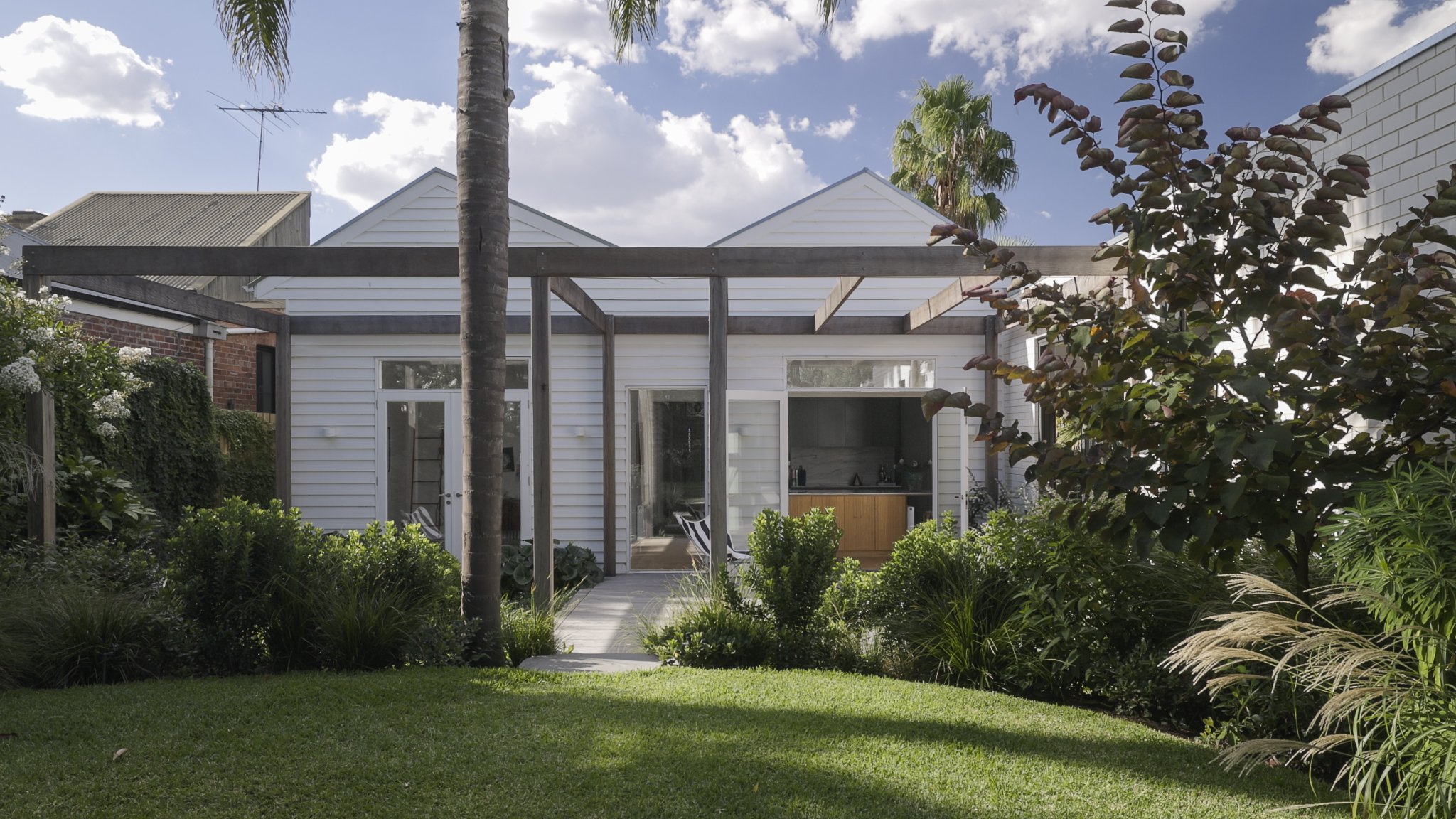
Below are some of the videos I created, along with a few still frames I managed to extract and edit from the footage.
I hope you like them.