The Joan Kirner Hospital, a Five Year Photo Journey
This photo, believe it or not, took me almost five years to finish. The delay had nothing to do with its complexity. It had more to do with a blind spot I did not know I had. I never realised how a simple job can slowly turn into a heavy mental load, especially when I avoid a task simply because it feels boring or tedious.
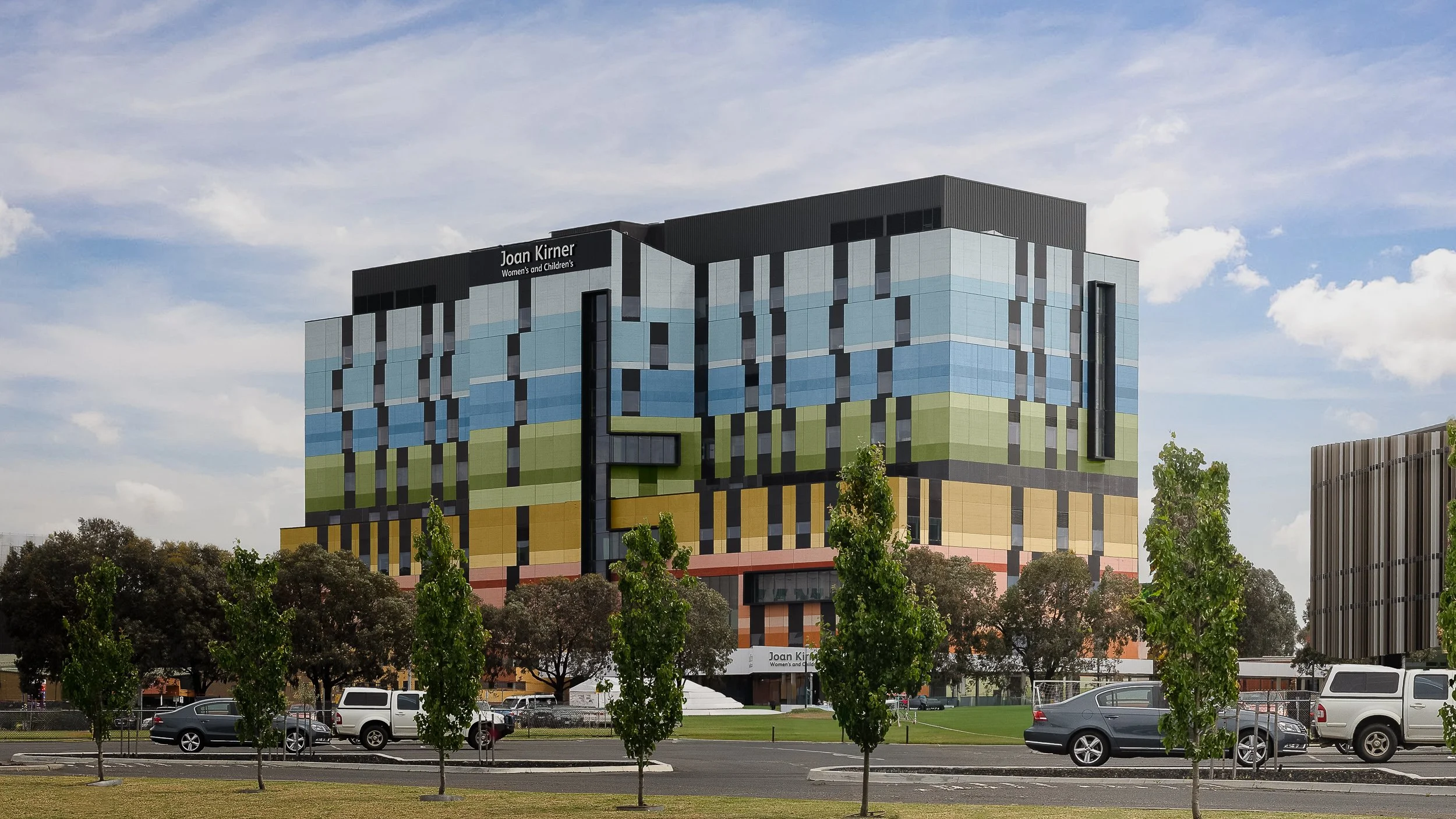
Let’s go back more than five years. When I had just started doing architectural photography properly, I was living entirely from taking photos. I had been learning, experimenting, and applying new techniques, so the shoot itself felt simple. The real challenge came later.
Some of my jobs were scheduled in the west of Melbourne, so I had driven along the M80 often enough to notice a large, colourful building on the side of the road. As part of my self-learning path, I set a goal to visit it on a weekend and make a photo. I had already photographed a few new buildings to apply what I had learned and build a small portfolio.
So, on a Saturday morning, I grabbed my gear and drove without knowing much about the place. Private, public, whoever it belonged to, it did not matter. Forty-five minutes later, I arrived.
It turned out to be the Joan Kirner Women’s and Children’s Hospital. I found parking nearby, took my camera and wide lens, and went for a walk. It was not very fruitful. The carpark was full, and there were renovations everywhere, which blocked any good angle.
I went back to the car and picked up a lens I love but rarely use, the 50mm. The beauty of this lens is that it forces you to walk, search, and work a little harder for the composition. A zoom makes things easier, sometimes too easy.
I kept walking around the building, a few streets away near the freeway, when I found the angle I had imagined. I locked in the composition and the rest seemed simple, shoot and edit.
The shooting part was the easiest thing I had done, but the editing was not. I often tell myself, it’s fine, I’ll fix it in post. When I opened the file, I realised the power cables crossing the frame were a real problem. And it was not just one.
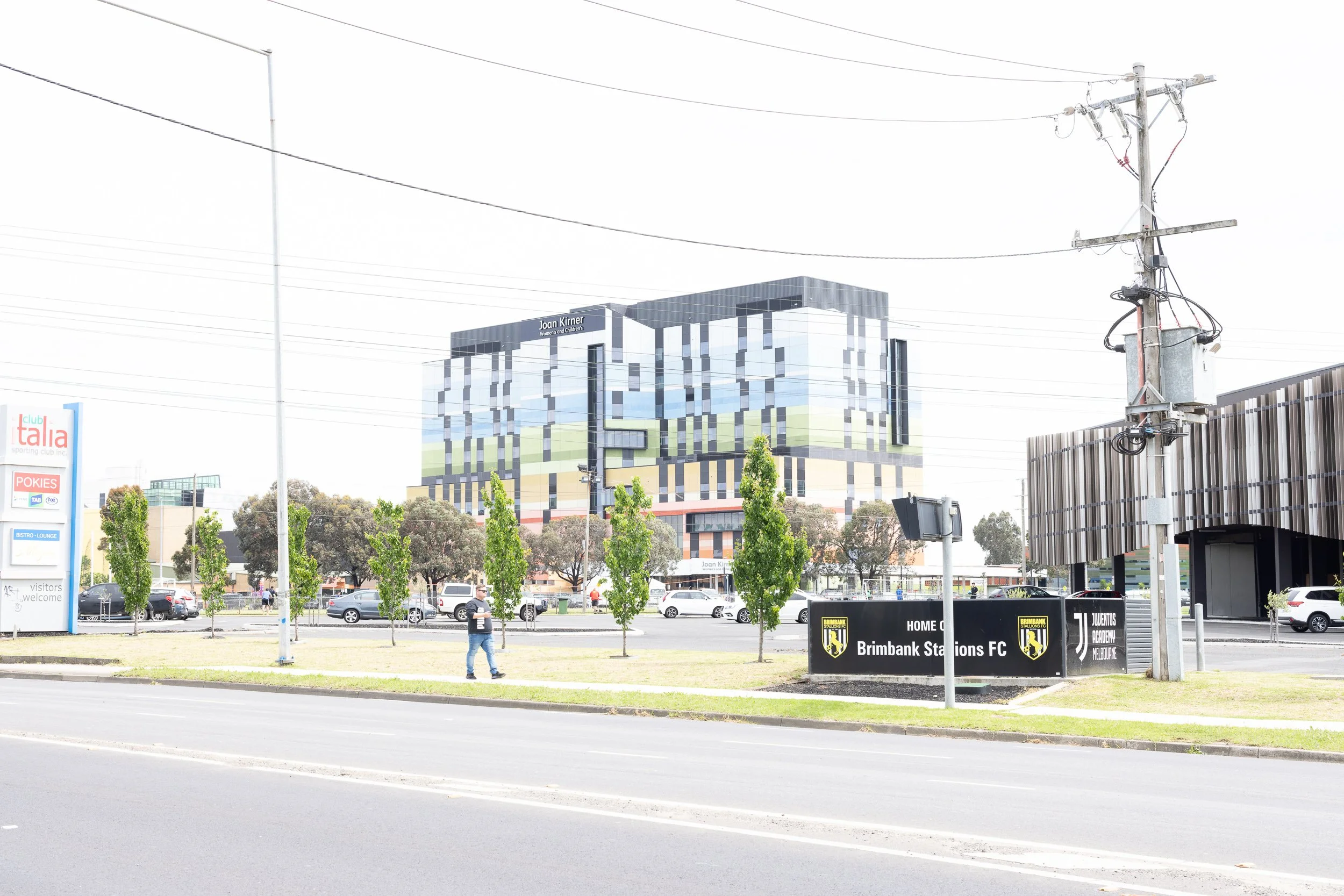
What started next became a task I did not expect to stretch for years. Not because it was impossible, but because it was so tedious that I kept avoiding it. There was no reward in removing cables and stamping pixels, and back then there was no AI to help. The more I avoided it, the heavier it felt.
I would work on it for a bit, stop, forget about it, then return months later. Sometimes years later. The cables disappeared slowly, and my interest disappeared with them. Eventually, the project vanished from my list of things to finish.
It was forgotten.
Until a few weeks ago, when I was reviewing my project catalogue for another story and found this unfinished photo. I could see all the work I had done and how close it was to being finished. I thought, I cannot leave this like that anymore.
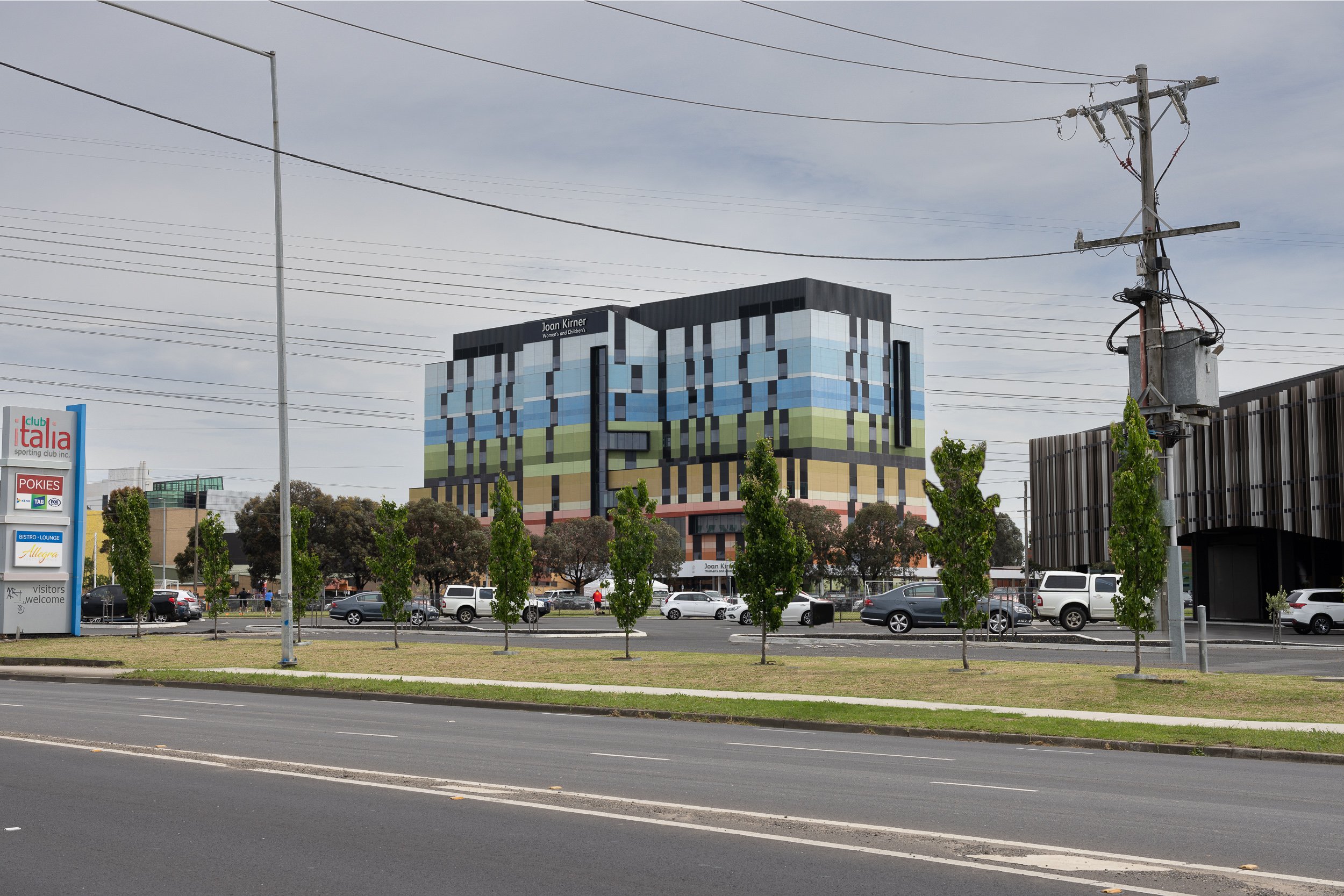
I opened the file again, put in those last hours that felt like days, and finally finished the last one percent.
Finishing it felt like relief, as if a hidden weight had finally lifted from my shoulders.
That quiet voice saying you never finished it finally went silent.
I know the photo is not perfect, and it will not be featured anywhere beyond this story and maybe my portfolio. But that does not matter. I won a small battle with myself, and that is what feels important.
I finished the project, and I learned a few lessons along the way. I hope they help me avoid letting future work hang around for years, turning into quiet monsters hiding in my files and in my mind.
PS. Out of curiosity, I tried using AI on the original file to remove the cables. It did it in seconds. Interesting times we are living in.